Law Enforcement, Drug Policy and Harm Reduction Workshop
Dates: Friday 4 September – Saturday 5 September 2026
Time: 9am – 5pm
Location: Cloth Hall Court, Quebec St, Leeds LS1 2HA
Price: £60.00 per person (price includes attendance for both days, lunch and refreshments) – subsidised through sponsorship
A satellite meeting at #LEPH2026 – the 8th International Conference on Law Enforcement and Public Health, Leeds, UK, 6-9 September, 2026
Convenors
Background
Aside from the users of drugs and their families, no group is more affected by current illicit drug policies than are police. The use of and dependence on illicit drugs are the result of social and health determinants, especially mental health issues, and lead to social and health adverse consequences.
The prevention of harms associated with the use of illicit drugs, and the response to their use and associated harm, is the province of both the law enforcement and the public health sectors.
There is often, however, a gulf between law enforcement policy and practice and public health policy and practice.
This workshop continues the series of meetings at the annual LEPH conferences to explore issues of common interest to both sectors, to share experiences and perspectives, examine evidence about innovative approaches that achieve both public health goals and optimize community safety, and make recommendations about effective and humane approaches.
As a Public Health conference, we seek to find how police can better be included as part of the public health workforce and contribute to the achievement of public health goals, which are grounded in human rights, community safety and public security.
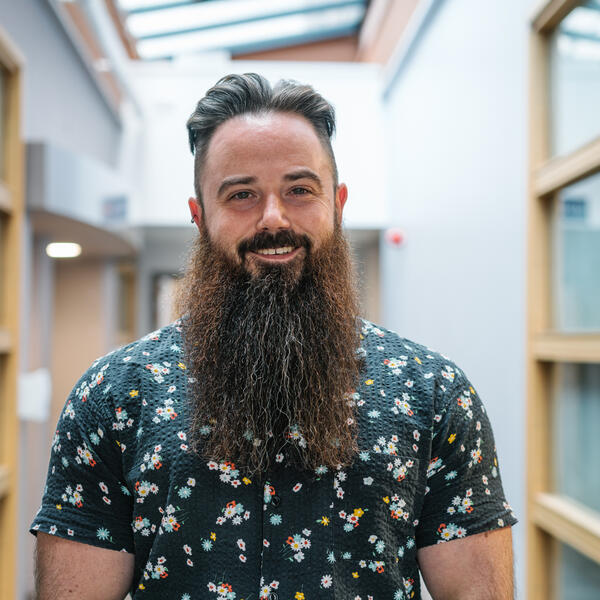
Professor Nick Crofts AM, Executive Director, GLEPHA
Professor Nick Crofts AM is an epidemiologist and public health practitioner who has been working in the fields of HIV/AIDS, illicit drugs, harm reduction and law enforcement for 30 years. He had performed multiple consultancies for WHO, UNAIDS, UNODC, AusAID, Australian DFAT and other bilateral and multilateral agencies. He is author of over 150 articles, book chapters and editorials in refereed journals.
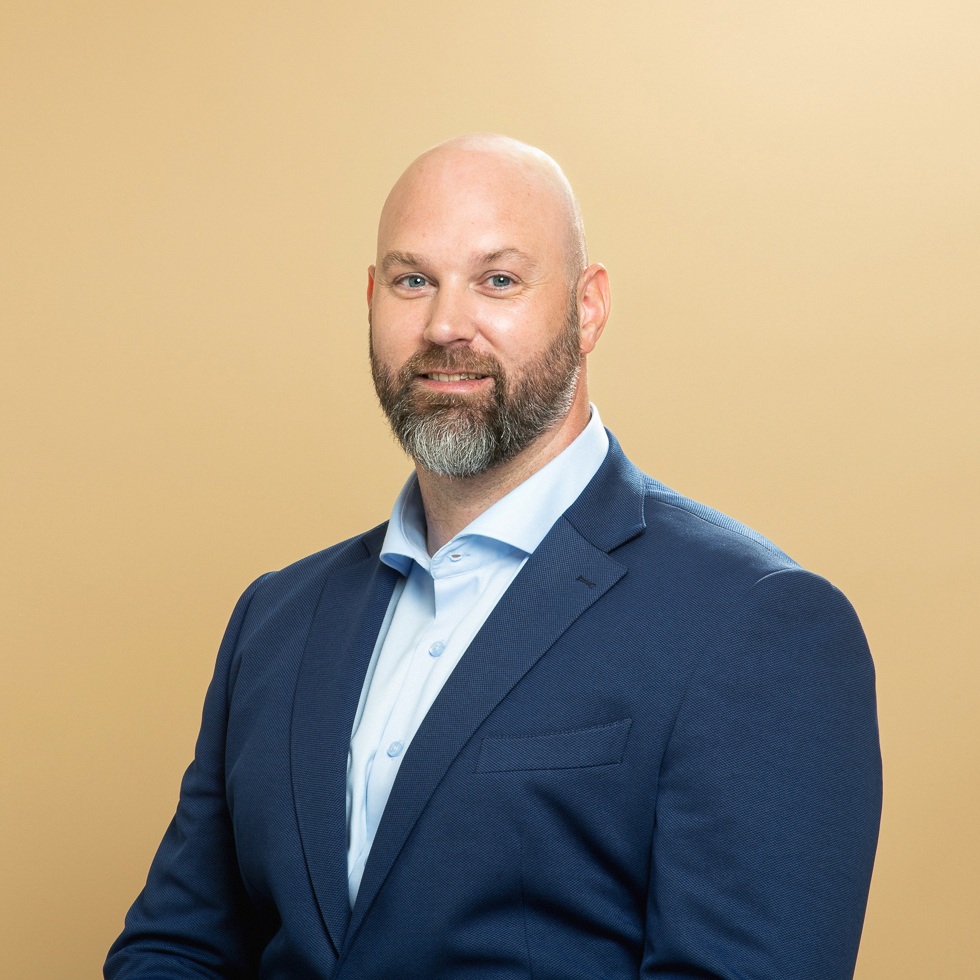
Dr Melissa Jardine, international policing consultant | GLEPHA Co-founder and Fellow
Dr Melissa Jardine is an international policing consultant working across the Indo-Pacific region. A Victoria Police officer for 10 years, she worked in criminal investigations and drug taskforces. She holds a PhD on policing in Vietnam from UNSW Law School. Melissa develops and delivers international police training on HIV prevention, harm reduction, and gender-responsive policing. She served on the GLEPHA Board and holds several honorary academic appointments.
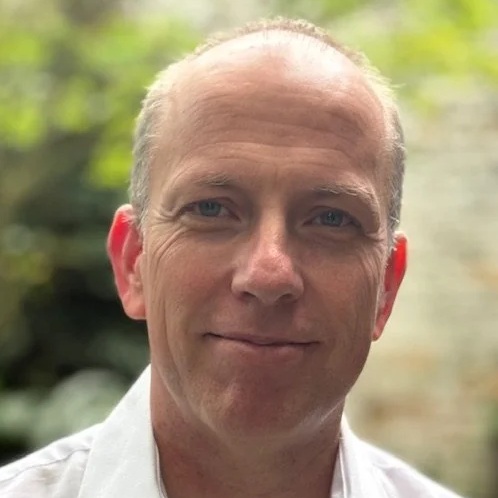
Dr Tracey Price-Allan, Head of Social Research at Urban Foresight | GLEPHA Board member
Dr Tracey Price-Allan is a GLEPHA board member and liaison for the international Special Interest Group on Harm Reduction. Tracey is Head of Social Research at Urban Foresight, where she leads a portfolio of relevant projects on behalf of public bodies and third sector clients. Tracey holds a PhD in drug policy reform and comes with extensive experience in social research, evaluation and trauma-informed practice.
Speakers
Tom Andrews, Senior Lecturer in Policing, University of Derby
Tom Andrews served almost 13 years as a front-line uniformed police officer, leaving at the rank of sergeant to join academia. He now trains student police officers and is a leading researcher on police training and education, publishing extensively on the value of higher education for policing. Police history is his passion. He has edited the Journal of the Police History Society since 2021, and authored The Greatest Policeman (2020) and The Sharp End (2022), and edited Women in Policing (2024).
Dr Matthew Bacon, Senior Lecturer in Criminology, University of Sheffield
Matthew is an interdisciplinary researcher specialising in policing, drug policy and qualitative methods, with contributions spanning criminology, sociology and socio-legal studies. His main focus is drugs policing, particularly innovation and reform, alternatives to criminalisation, and harm reduction measures at the interface between law enforcement and public health. He also researches police culture, discretion, criminal investigation and organisational reform. Matthew is institutional co-lead of the N8 Policing Research Partnership and a founding member of the Sheffield University Policing Research Group, where he promotes evidence-based practice and collaboration between policing scholars and practitioners.
Ruben Boomsma, Chair, Law Enforcement Action Partnership Netherlands (LEAPNL)
Ruben Boomsma (1980) has been working for the Netherlands Police for more than twenty years in a variety of operational and leadership positions. He currently serves as a Deputy Superintendent in Amsterdam, leading a police team responsible for maintaining public safety, addressing crime and disorder, and strengthening relationships with local communities. Throughout his career, he has gained extensive experience in frontline policing, having served in several operational teams across North Holland. Ruben is actively involved in diversity policymaking within the Dutch police and serves as Co-Chair of the Dutch Society of Evidence-Based Policing (SEBP-NL) and Chair of the Dutch branch of the Law Enforcement Action Partnership (LEAPNL). He holds a Bachelor’s degree in Criminology and a Master’s degree in Public Administration. His professional interests focus on improving the effectiveness, legitimacy, and evidence base of policing, with a strong interest in innovation, public trust, and evidence-informed policy.
Ailish Brennan, Policy Analyst and Campaigner, Harm Reduction International
Ailish Brennan is a drug policy advocate and harm reductionist working as part of the Sustainable Finance team in Harm Reduction International. Her work has spanned from local harm reduction organisations to global policy analysis and she currently focuses on advocating for divestment from the unjust and wasteful policies of the war on drugs, and investment in policies prioritising the health, justice, and human rights of people who use drugs.
Michael Jewer, Scientist and policy researcher, Institute on Governance (IOG)
Dr. Michael Jewer is a Canadian scientist and policy researcher with expertise in health science, science communication, and evidence-based policy. He has worked across academia, government, and the private and non-profit sectors, applying scientific research to address complex public health, innovation, and social problems. His work involves recruiting and working with interdisciplinary teams on issues including health, biotechnology, artificial intelligence, and science communication. He holds a PhD in Cancer Biology from Western University and has published scientific research spanning cancer biology, genomics, health, and public policy.
Rhonda Moore, Executive Director, Science and Innovation, Institute on Governance (IOG)
Rhonda Moore is Executive Director, Science and Innovation at the Institute on Governance and a professor of Practice at the Trottier Institute for Science and Public Policy at McGill University. For more than 20 years Rhonda has worked at the intersection of research, policy analysis, science communications, and governance across the public, private, and non profit sectors. She holds an MSc from the University of Edinburgh. In 2024, Rhonda was awarded the King Charles Coronation Medal for contributions to the culture of science in Canada.
Assistant Commissioner (ret’d) Gary Ritchie, Global Consortium Group | Edinburgh Napier University
Gary is a Managing Partner with the Global Consortium Group and a former Assistant Chief Constable with Police Scotland. He led the development of Scotland’s first police drug strategy, shifting focus from enforcement to harm reduction, and oversaw the national roll-out of Naloxone to frontline officers. A strong advocate for public health approaches to policing, Gary has collaborated internationally on leadership and harm reduction initiatives and is Chair of the Scottish Institute for Policing Research’s International Board.
Professor Alex Stevens, University of Sheffield
Alex is Professor of Criminology at the University of Sheffield’s Centre for Criminological Research. He is also Chair of the Drug Science Enhanced Harm Reduction Working Group, and a former President of the International Society for the Study of Drug Policy and member of the UK Advisory Council on the Misuse of Drugs. He was the principal investigator for the PDD evaluation.
Neil Woods, Director, OEV Partners | former Board member, Law Enforcement Action Partnership
Neil Woods is a former detective sergeant and undercover police officer in the United Kingdom, and is now a bestselling author. His writing has appeared in publications including The Independent and The Guardian.
He is a former board member of the Law Enforcement Action Partnership and a founding member of the International Coalition of Drug Law Reform and Environmental Justice. He is also a director of OEV Partners, a consultancy specialising in mental health for police and other emergency services, and in psychedelic policy development.