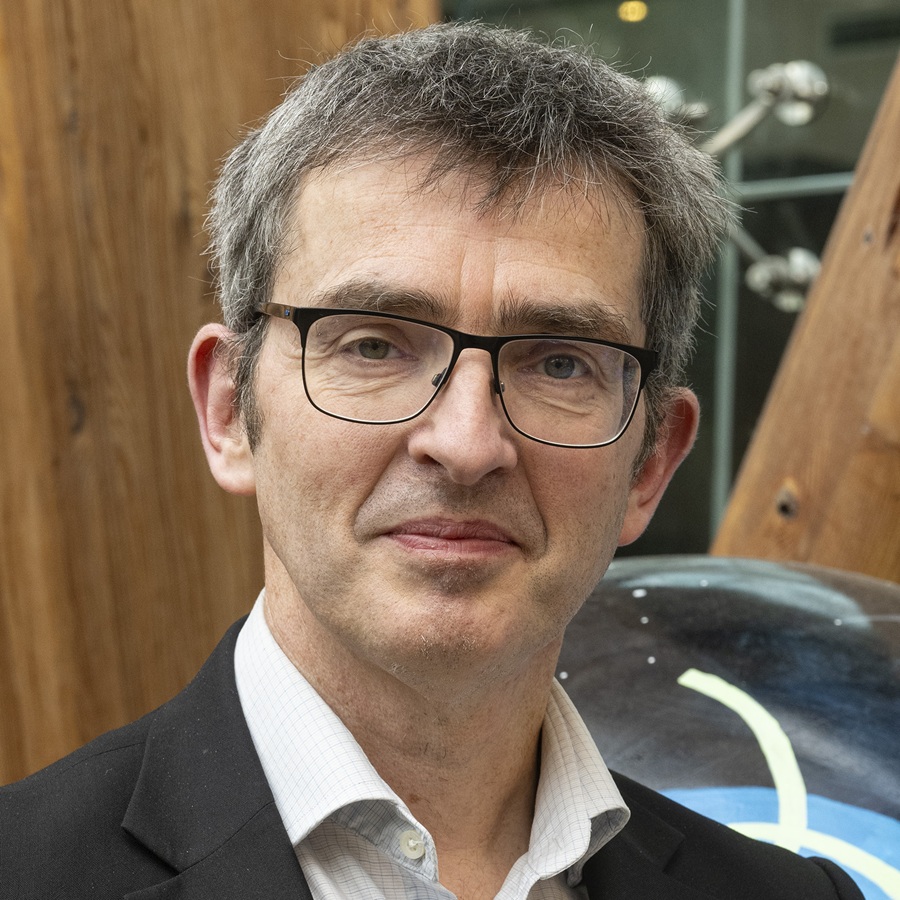







Greg Fell is the Director of Public Health in Sheffield. He graduated from Nottingham University with a degree in biochemistry and physiology in 1993.
Alison joined Hampshire Constabulary in 2000 and is now a chief officer in the Metropolitan Police Service on secondment to National Police Chiefs’ Council (NPCC).
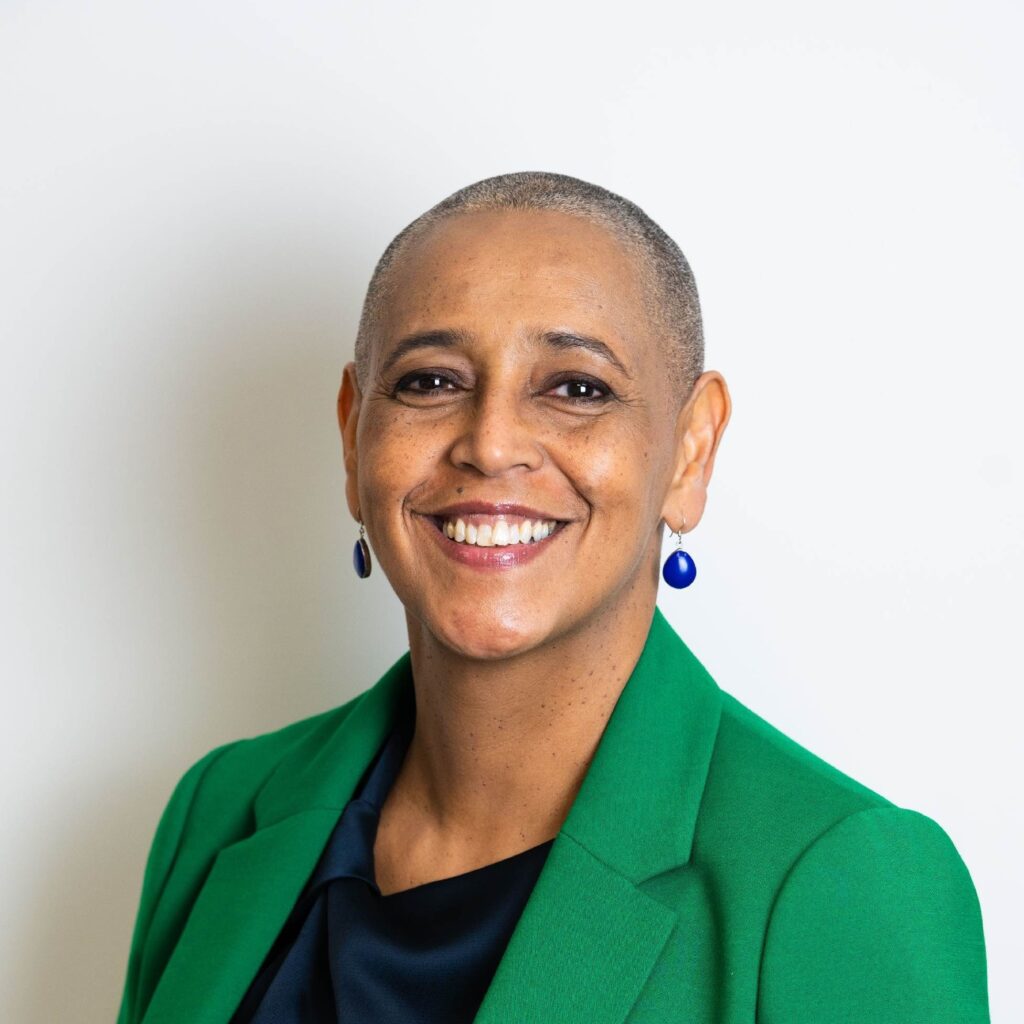
Alison Lowe is the Deputy Mayor for Police and Crime in West Yorkshire. She started her role in July 2021 and was appointed by the new Metro Mayor, Tracy Brabin.
Ingrid has worked in development research and education for the past 30 years, first in Africa, and then in South Asia.
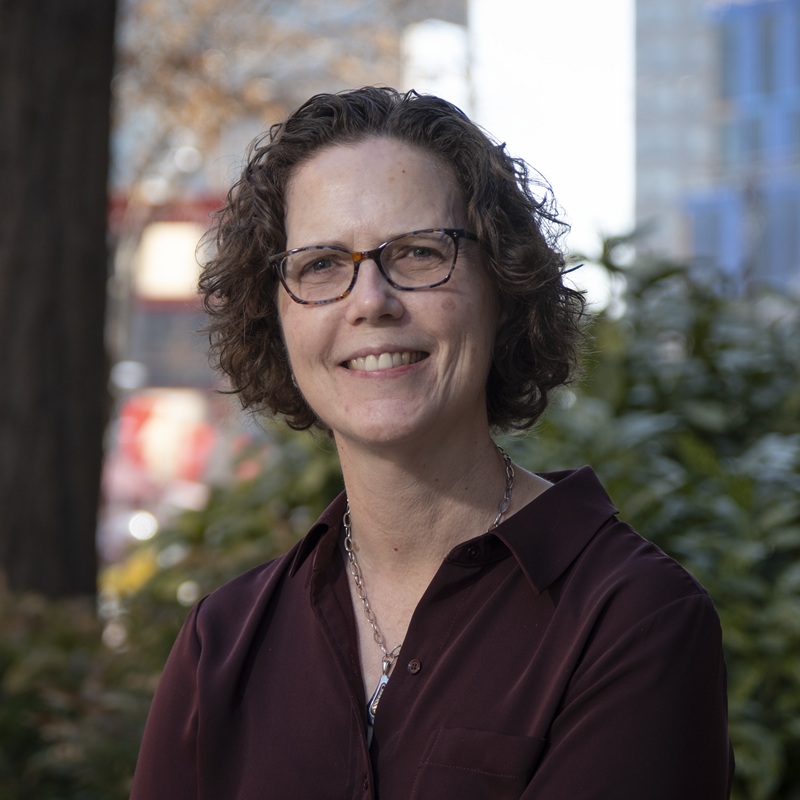
Kate Pickett OBE FRSA FFPH FAcSS is Professor of Epidemiology at the University of York.
Gary Ritchie is a Managing Partner in the Global Consortium Group (GCG). Prior to this he was an Assistant Chief Constable with Police Scotland for 33 years, retiring in 2025.
Dr Amy Stevens is a Public Health Consultant in Yorkshire with a degree in International Health and a Master’s in Public Health.
David Thacher is Associate Professor of Public Policy and Urban Planning at the University of Michigan.
Jennifer Wood is a Professor of Criminal Justice and Vice Provost for Faculty Affairs at Temple University in Philadelphia, USA.
Greg Fell is the Director of Public Health in Sheffield. He graduated from Nottingham University with a degree in biochemistry and physiology in 1993. He has worked as a social researcher in a maternity unit and in a number of roles in health promotion and public health before joining the public health training scheme. Greg worked as a consultant in public health in Bradford in the PCT then Bradford Council. Since February 2016 he has worked for Sheffield City Council as the Director of Public Health for the city.
Greg was also appointed to the role of Vice President to the Association of Directors of Public Health (ADPH) in December 2021 and then became President in October 2023.
Greg was awarded an OBE for services to Public Health in the New Year Honours List for 2026.
Alison joined Hampshire Constabulary in 2000 and is now a chief officer in the Metropolitan Police Service on secondment to National Police Chiefs’ Council (NPCC).
Alison’s varied career includes roles in the Criminal Investigations Department, Public Protection, child abuse investigation, city commander and emergency response commander. Alison has managed impactive community issues and driven the force-wide strategic response to hate crime and harmful practices. Alison practiced as a Crisis Negotiator for eight years.
Alison’s policing roles have been enhanced by secondments to His Majesty’s Inspectorate of Constabulary Fire and Rescue and teaching at John Jay Exchange College of Criminal Justice, New York. Alison has supported victims of people trafficking in San Paulo, Brazil.
Alison transferred from Hampshire Constabulary and joined the Metropolitan Police Service in June 2020 as a Frontline Policing Commander with additional pan London responsibility for a number of portfolios including neighbourhood policing. Alison took up the role of NPCC Chief Officer lead for Out of Court Resolutions in 2021, she is responsible for supporting forces in readiness and ahead of the new Statutory Reform, according to Part 6 of the Police, Crime, Sentencing & Courts Act 2022, that delivers a rehabilitative approach to offending. Her appointment as Director for the Police Race Action Plan in August 2023 sees her driving a national programme of work necessary to respond to critically low levels of trust and confidence in Black communities. Alison is also a Gold Public Order Public Safety Commander.
Her policing imperative is to utilise the tenets of procedural justice to build legitimacy in building stakeholder trust and confidence, reduce harm to communities and drive equity in policing outcomes. This has been realised in roles in policing, influence on tactical delivery, impact on strategic policy and academic research.
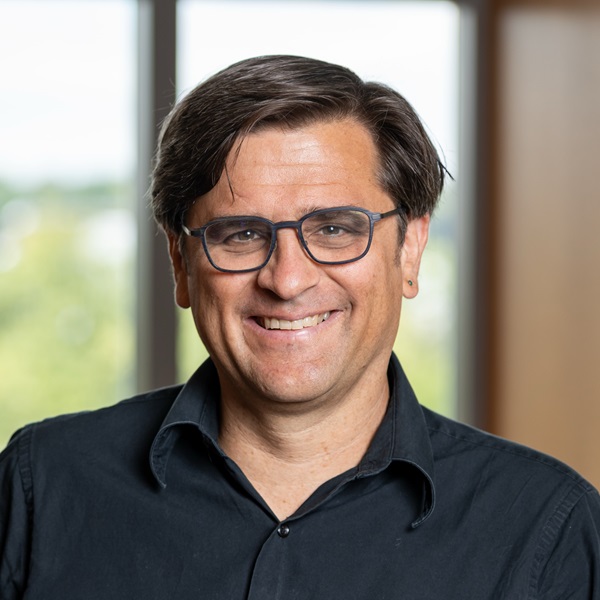
Simon Lindgren is a Professor of Sociology and director of DIGSUM, an interdisciplinary academic research centre for the study of social dimensions of digital technology.
Simon’s research explores politics, power, and resistance at the intersection of society and digital technologies. He uses critical discourse approaches, computational text analysis, and social network analysis to study issues relating to movements, mobilization, opinions, and identities.
Alison Lowe is the Deputy Mayor for Police and Crime in West Yorkshire. She started her role in July 2021 and was appointed by the new Metro Mayor, Tracy Brabin, because of her extensive voluntary sector, political and policing experience over a 30+ year period.
In this role, Alison has a variety of leadership responsibilities including chairing the Vision Zero Board which aims to end all road death in West Yorkshire by 2040.
Alison worked in the Third Sector for more than 30 years, most recently as Chief Executive of Touchstone, a Mental Health Charity working across West Yorkshire. Touchstone works with and for people that are affected by mental health problems, and they specialise in working with people from different cultural backgrounds.
Alison has been involved in local government for 29 years and was a councillor with the Labour Party. Alison was also the Chair of the Police and Crime Panel, the body that scrutinises the performance of the Police and Crime Commissioner and represents the interests of all the 2.4 million people across West Yorkshire. Alison was the Deputy Lord Mayor of Leeds in 2003-4 and was made an Honorary Alderwoman of the city in 2020. In this role, Alison was asked to review Leeds’s statues following the BLM protests.
Alison is a Non-Executive Director with Leeds Community Health NHS Trust.
Over the years, Alison has been a well-known campaigner on equal rights and chaired the Leeds Domestic Violence Forum that raises awareness of domestic violence against women and children by known men for over 25 years.
Alison Lowe holds an MA in Medieval Studies from Leeds University and a BA in History and has 2 Honorary Doctorates: one from Leeds (2022) and the other from York St John University (2025). Alison was also awarded an OBE in the January 2022 Queen’s Honours List. Alison Lowe has 2 grown up children, Adam and Rosy and grandchildren Mae and Oscar.
Ingrid has worked in development research and education for the past 30 years, first in Africa, and then in South Asia. She currently heads the Centre for Community-Based Policing and Post Conflict Police Reform (ICT4COP Center), at the Norwegian University of Life Sciences. The Centre was established as a follow-up to Horizon 2020 ICT4COP research programme in post-conflict police reform which studied 12 cases across four continents. In the course of the project, Ingrid and her team developed an extensive network of police experts and civil society organisations working on community policing issues which often involved public health issues such as gender-based violence and social inclusion of vulnerable groups. She has continued work in this field, expanding research, teaching and networking on human security, community-oriented policing and youth within Europe and more recently in Ukraine.
Kate Pickett OBE FRSA FFPH FAcSS is Professor of Epidemiology at the University of York, where she leads the Public Health and Society research group and is Director of the Born in Bradford Centre for Social Change.
Kate is a co-investigator at the ESRC Vulnerability & Policing Futures Research Centre, where she works on the Centre’s ‘place-based’ research. This work brings communities together with practitioners, policymakers and researchers to create deep and shared understanding of the inhibitors, facilitators and opportunities for inter-organisational service provision in policing vulnerabilities. The work focuses on Bradford, West Yorkshire and Kate contributes her knowledge and experience of its diverse socio-economic and demographic composition and related inequalities, rich data (including linked routine data) resources and partnerships.
Gary Ritchie is a Managing Partner in the Global Consortium Group (GCG). Prior to this he was an Assistant Chief Constable with Police Scotland for 33 years, retiring in 2025. During his time as a member of the Police Scotland Executive team he oversaw portfolios and directorates for Organisational Change; Partnerships, Prevention and Community Wellbeing, International Policing Development and Operational Support.
He was appointed Assistant Chief Constable in 2019 and during his tenure he oversaw directorate of Partnerships, Prevention and Community Wellbeing where he developed new public health led approaches in partnership with other public services to reduce and prevent harm and achieve better outcomes for communities and vulnerable people. As head of Drug Strategy, he compiled the first specific drug strategy for Police Scotland, shifting the emphasis from enforcement to harm reduction. As part of this new approach, he led the roll out of Naloxone (Narcan) to police officers which has resulted in Scotland becoming the first nation in the world to equip all its frontline police officers with nasal Naloxone. Since then, police officers have regularly used Naloxone in cases where people have taken overdose, helping to save hundreds of lives.
He also led on the establishment of Police Scotland’s International Academy, founded on the principles of police senior leadership development through international study, engagement and networking. He established several internal policing leadership development programmes with police agencies in the USA, Australia, South East Asia, South America and Africa based around principles of values based/adaptive leadership, strategic incident command, leadership modelling for conflict de-escalation, policing culture and international collaboration.
Gary also sat on the board of the Scottish Institute of Police Research, a nexus of eight Scottish universities in partnership with policing and supporting postgraduate research reflecting the most prominent policing and societal issues in order to assist policing in the development of evidence-based policy and practice. He has recently taken on the Chair of SIPR’s International Board.
He was awarded the King’s Police Medal in 2025 and, in recognition of his collaboration with academia over the past few years, he was made an Honorary Professor of Edinburgh Napier University.
Following his retirement from policing he emigrated to Australia and lives in Sydney.
Dr Amy Stevens is a Public Health Consultant in Yorkshire with a degree in International Health and a Master’s in Public Health. She has a special interest in child health having previously worked as a paediatric doctor in the UK, New Zealand and India.
Amy works as the Public Health Lead at Bevan, a social enterprise providing health and wellbeing services to Inclusion Health populations, and has previously worked with Doctors of the World UK Policy and Advocacy Team, Save the Children Global Humanitarian Team and WHO Europe’s Child and Adolescent Health Unit. She is academically active in the field of child migrant health and her current research explores violent pushbacks experienced by child migrants at European borders.
David Thacher is Associate Professor of Public Policy and Urban Planning at the University of Michigan. His research draws from philosophy, history, and the interpretive social sciences to develop and apply a humanistic approach to policy research. Most of his work has focused on policing, including studies of police order maintenance, the role of knowledge in police innovation, and the transformation of police authority in 19th and 20th century America. His current research focuses on the history of the police response to people with psychiatric and cognitive disabilities. David received his PhD from the Massachusetts Institute of Technology.
Jennifer Wood is a Professor of Criminal Justice and Vice Provost for Faculty Affairs at Temple University in Philadelphia, USA.
Jennifer’s research focuses on the many intersections between policing and public health, including changes in frontline responses to people with health vulnerabilities such as mental illness. She serves on the Board of Directors for Pathways to Housing, PA.
Jennifer is a member of the Vulnerability & Policing Futures Research Centre’s International Advisory Board. In this role she works to advance the Centre’s comparative research agenda on policing and vulnerabilities.